
Project K: Revolutionizing Emergency Care with Real-Time AI
Case Study
The Challenge
Emergency departments worldwide are under pressure. Faced with overcrowding, long wait times, and overwhelming administrative workloads, hospitals struggle to deliver timely and effective care, especially in life-threatening cases where every second counts.
At Sheba Medical Center, one of the world’s leading hospitals, the situation was no different. As patient volumes increased, clinicians were burdened with time-consuming data entry and documentation tasks, diverting their focus from critical care.
Traditional triage methods didn’t always facilitate the consistent identification of the most urgent cases fast enough, and doctors often found themselves reacting to crises rather than preventing them.
“We’re not anywhere near where we need to be in terms of being able to really serve our patients the way that they need to, not in terms of the capacity or how agile we are able to respond to their needs,” said Prof. Eyal Zimlichman, Sheba’s Chief Transformation and Innovation Officer. “And this is where we thought artificial intelligence specifically holds a key aspect of being able to provide better care to our patients.”
The need was urgent and clear: a system that could streamline patient intake, enhance diagnostic accuracy, and empower medical professionals to focus on care, not clerical tasks.
The Solution
To address the systemic challenges of emergency care, Sheba Medical Center developed Project K — a groundbreaking, AI-powered emergency department built within its ARC Innovation ecosystem.
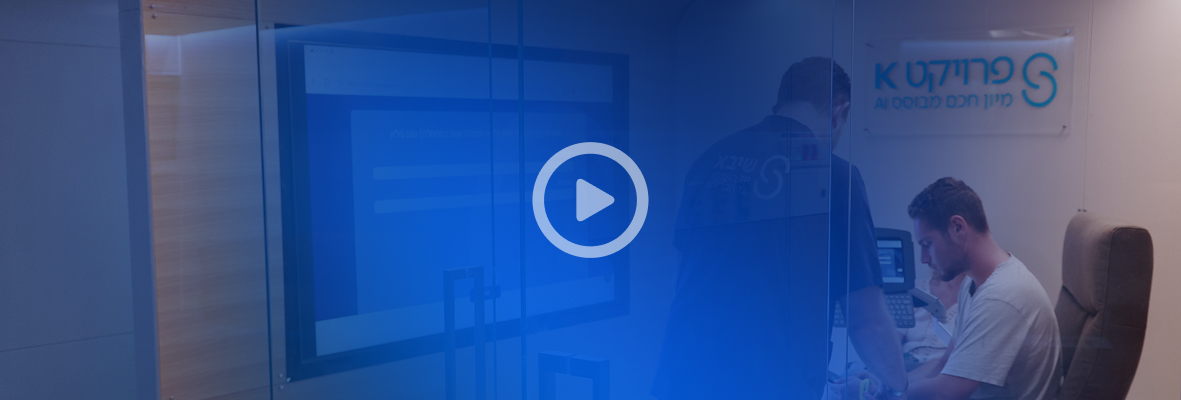
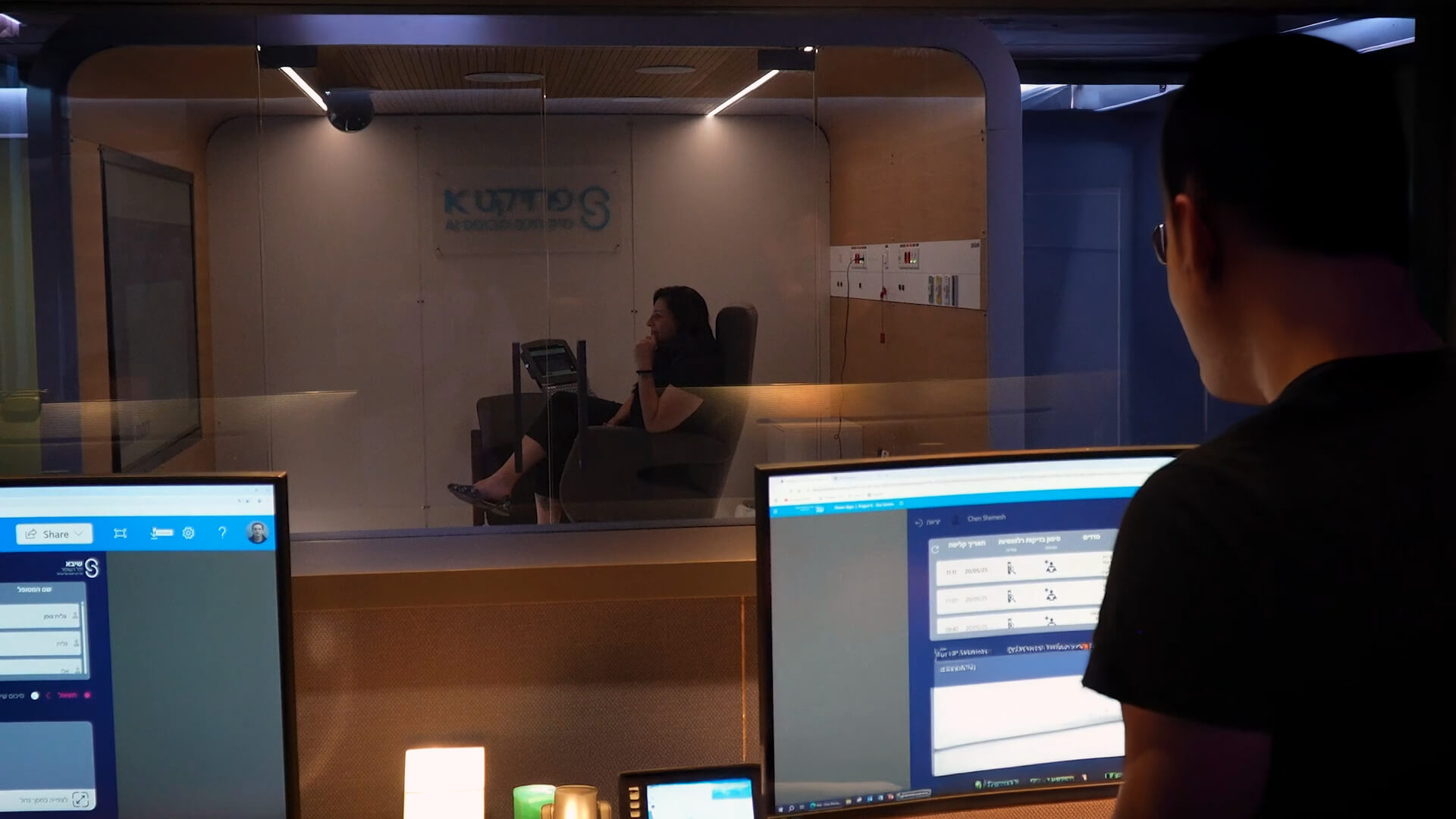
At the heart of Project K is a real-time AI system that reimagines the entire patient intake and triage process. The system conducts full patient interviews via AI avatars, collects and summarizes medical histories, recommends diagnostic tests, and flags urgent cases — all before the physician even steps in.
“This is the first place where actual patients are going through a fully automated ER process that’s reliant on artificial intelligence,” explains Prof. Eyal Zimlichman. “And we see this as a template for many hospitals around the world to follow.”
Key components include:
- AI-driven patient interview: Patients interact with a conversational AI that gathers symptoms and medical history.
- Automated clinical summarization: AI compiles lab results, imaging, and past records into actionable summaries for physicians.
- Decision support tools: Integrated platforms like AIDOC, AISAP, and Lunit assist with diagnostics, from CT interpretation to bedside imaging.
- Smart triage algorithms: Critical cases are flagged immediately, prioritizing urgent interventions and reducing delays.
Built in partnership with Microsoft Israel and KPMG, Project K is a comprehensive solution, not a proof of concept. It is live, operational, and transforming care delivery in real-time.
By shifting repetitive, manual tasks to machines, clinicians are empowered to spend more time making life-saving decisions. The result is a smarter, faster, and more efficient emergency department, designed for both immediate needs and long-term scalability.
The Results
Project K is already making a major difference in how emergency care is delivered at Sheba. By using AI to take over many time-consuming tasks, the system gives doctors more time to focus on treating the patients, leading to better and faster care.
One of the most important results:
- 30% drop in death rates for patients with brain bleeds, thanks to faster identification and treatment supported by AI.
Other key outcomes include:
- Shorter wait times in the ER, as AI speeds up triage and patient intake
- Faster diagnoses, with AI quickly organizing and summarizing patient records, test results, and scans
- Less paperwork for doctors, who no longer need to spend time searching through files or entering repetitive data
- Fully automated intake process in the Project K zone, where AI handles early patient interactions and recommends next steps
- System built and running in under 2 years, including testing, training, and live use
- First AI-powered ER in the world where real patients are treated with the help of AI
“It summarizes all the patient background, documents, medical history, and all the imaging and laboratory studies that we do in the emergency department,” says Dr. Hagai Eden, Emergency Medicine Specialist at Sheba Medical Center. “That way, the doctor is free to do the thinking, the medical practice that we were trained to do, and not sit on our computer and just type and search data.”
This project shows that AI isn’t just a future concept — it’s working now, with measurable improvements in patient outcomes, staff efficiency, and hospital operations. Project K is a model that other hospitals around the world can learn from and follow.
What’s Next
Project K is only the beginning of a much larger transformation at Sheba Medical Center. As the first hospital to fully integrate AI into emergency care, Sheba is setting a new global standard, showing what’s possible when technology is implemented not just for innovation’s sake, but for real clinical impact.
Looking ahead, Sheba plans to expand Project K’s model across more departments, with a focus on creating AI-powered pathways for diagnostics, mental health, and at-home care. These systems won’t just support care inside the hospital — they’ll extend care beyond its walls, making treatment more proactive, personalized, and accessible.
“This is not about designing AI solutions; we don’t think that hospitals need to be designing new AI solutions,” said Prof. Eyal Zimlichman. “But we need to take the lead on implementation. How do we build AI into the workflows, how do we define what is an AI task versus a human task, what needs to remain with humans, and what can be carried on by an AI?”
As Sheba continues to scale its AI strategy, the goal remains clear: better decisions, faster care, and ultimately, more lives saved.
