
From Research to Real-World Eye Care: Michael Belkin & the Belkin Vision Story
In ophthalmology, some of the most important advances are not only scientific discoveries, but devices that can actually be used in clinics. That is where translational research matters most: turning a clinical problem into a product that can change how care is delivered.
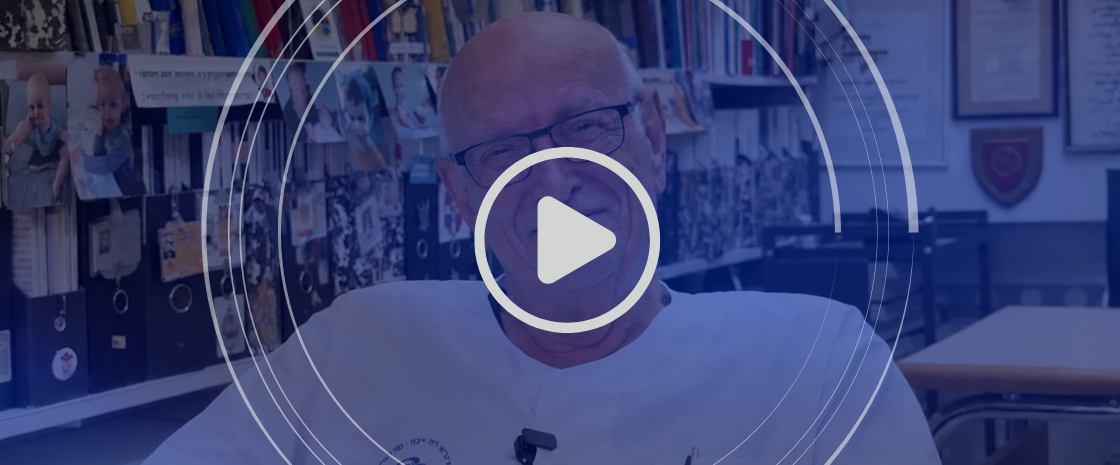
Prof. Michael Belkin has spent decades doing exactly that. As Founding Director of the Tel Aviv University Eye Research Institute at Sheba Medical Center, he has helped bring multiple innovations from concept to clinical use, with a career that now includes more than 20 patents and more than 200 scientific publications.
From Lab to Market
Belkin’s work is especially notable because it crosses three distinct clinical categories. The ExPRESS Glaucoma Implant helped define a new approach to minimally invasive glaucoma surgery, offering a miniature stainless steel shunt designed to reduce intraocular pressure by draining aqueous humor from the anterior chamber.
Direct Selective Laser Trabeculoplasty, or DSLT, moved the same kind of problem-solving into a different form of glaucoma care. The technology is automated, non-contact, and does not require a gonio lens or a specialist to operate, making it relevant not only clinically, but operationally for eye-care systems.
CureSight brought that innovation pattern into pediatric ophthalmology. The digital binocular therapy for amblyopia received FDA clearance in 2022 and also achieved CE approval, showing that the same translational mindset can address both adult glaucoma and childhood vision disorders.
All three devices were approved by both the United States FDA and European authorities.
Belkin Vision and Alcon
Belkin Vision was founded in 2013 by Prof. Belkin, Daria Lemann-Blumenthal, and Ziv Karni. The Israeli medical device company focused on automated, contactless laser treatments for open-angle glaucoma, with its flagship Eagle device built around Direct Selective Laser Trabeculoplasty.
The Eagle device delivers laser energy through the limbus without a gonio lens or manual aiming, offering a one-second, non-invasive alternative to daily eye drops. That kind of design matters because it addresses both clinical precision and treatment burden, two issues that remain central in glaucoma care.
In July 2024, Alcon completed its acquisition of Belkin Vision. The transaction included an upfront payment of $81 million, with potential milestone payments of up to $385 million, and the deal was valued at up to $335 million when announced in May 2024.
For the ophthalmology sector, that acquisition is a strong signal that workflow-friendly, clinically differentiated glaucoma technologies continue to attract major strategic interest. It illustrates how medtech companies evaluate innovation: not just by scientific novelty, but by whether a technology can fit into practice, scale across markets, and address a real unmet need.
That is especially relevant in glaucoma, where treatment adherence, specialist access, and procedural complexity all affect how treatment is delivered. Glaucoma treatment often begins with self-administered topical ocular hypotensive eyedrops, but adherence remains a fundamental challenge, with up to 50% of patients failing to receive the intended benefits of treatment. A contactless laser platform that reduces steps for the clinician and the patient has obvious appeal in systems looking for ways to improve efficiency without compromising care.
Innovative Translational Work at Sheba
Belkin’s continued work at Sheba Medical Center helps explain why translational research institutions remain so important. They are not only places where ideas are generated, but also where technologies are tested, refined, and positioned for broader use.
The institute he founded remains a home for translational ophthalmology research, which is the kind of setting that supports the next generation of eye-care innovation. That combination of academic depth, clinical exposure, and device development is difficult to replicate, and it is often what separates promising ideas from innovative technologies that reach patients.
At Sheba, innovation is not treated as a separate entity from medicine. It is part of the same system. Clinicians, researchers, and inventors work in close proximity, which makes it possible to identify unmet needs, develop practical solutions, and study whether those solutions can improve care.
ExPRESS, DSLT, and CureSight did not emerge in isolation; they reflect the kind of research culture that Sheba supports, where curiosity, engineering, and medicine come together. The result is an environment that can produce innovations across different clinical categories while staying grounded in patient needs.
For health systems, investors, and medtech companies, that is one of the clearest lessons from Sheba. The most durable breakthroughs are the ones that improve care in ways clinicians can adopt and patients can benefit from, and Prof. Belkin’s record shows what that looks like when research, entrepreneurship, and clinical purpose align — and Sheba is built around exactly that model.
More Posts

10 Specialties at Sheba Ranked Among the World’s Best by Newsweek and Statista
Sheba Medical Center has been selected by Newsweek and Statista for their World’s Best Specialized Hospitals ranking, its seventh year receiving this honor, with 10 fields of practice achieving recognition for 2027.

Sheba’s Immersive Approach to Canine-Assisted Mental Health Care
At Sheba Psychiatry within Sheba Medical Center, therapy dogs are not occasional visitors. They are integrated into the clinical environment, working directly with trained care teams to support patients in psychiatric and physical rehabilitation.

Sheba Researchers Secure Nearly 50 Million Shekels in Research Grants
Sheba Medical Center’s research teams have been chosen as the recipients of almost 50 million shekels in competitive research grants so far in 2026, spanning the fields of neuroscience, infectious disease, women’s health, nephrology, multiple sclerosis, oncology, and many others.
