
Sheba’s AI Center: Powering the Next Generation Hospital
Case StudySheba Medical Center's new AI Center is transforming healthcare through multi-agent AI systems, ambient intelligence, and hospital-wide AI fluency, building the infrastructure for a fully AI-driven hospital by 2030.
The Challenge
Modern hospitals face unprecedented complexity: fragmented patient data, clinician burnout, inefficient workflows, and operational bottlenecks that delay care and drive up costs. Key pressures include:- Clinical overload: Physicians spend hours searching records, charting, and documenting encounters
- Operational inefficiency: Beds, staff, and resources misaligned with real-time demand
- Data silos: Genomic, imaging, EHR, and social determinants scattered across systems
The Solution
Led by Dr. Ayelet Akselrod-Ballin, Head and CTO of Sheba’s AI Center within ARC Innovation Hub, the center builds multi-agent AI systems that plan, act, and collaborate autonomously while keeping clinicians firmly in control. Key initiatives include:- SmartER: Ambient AI for emergency documentation and clinical summaries
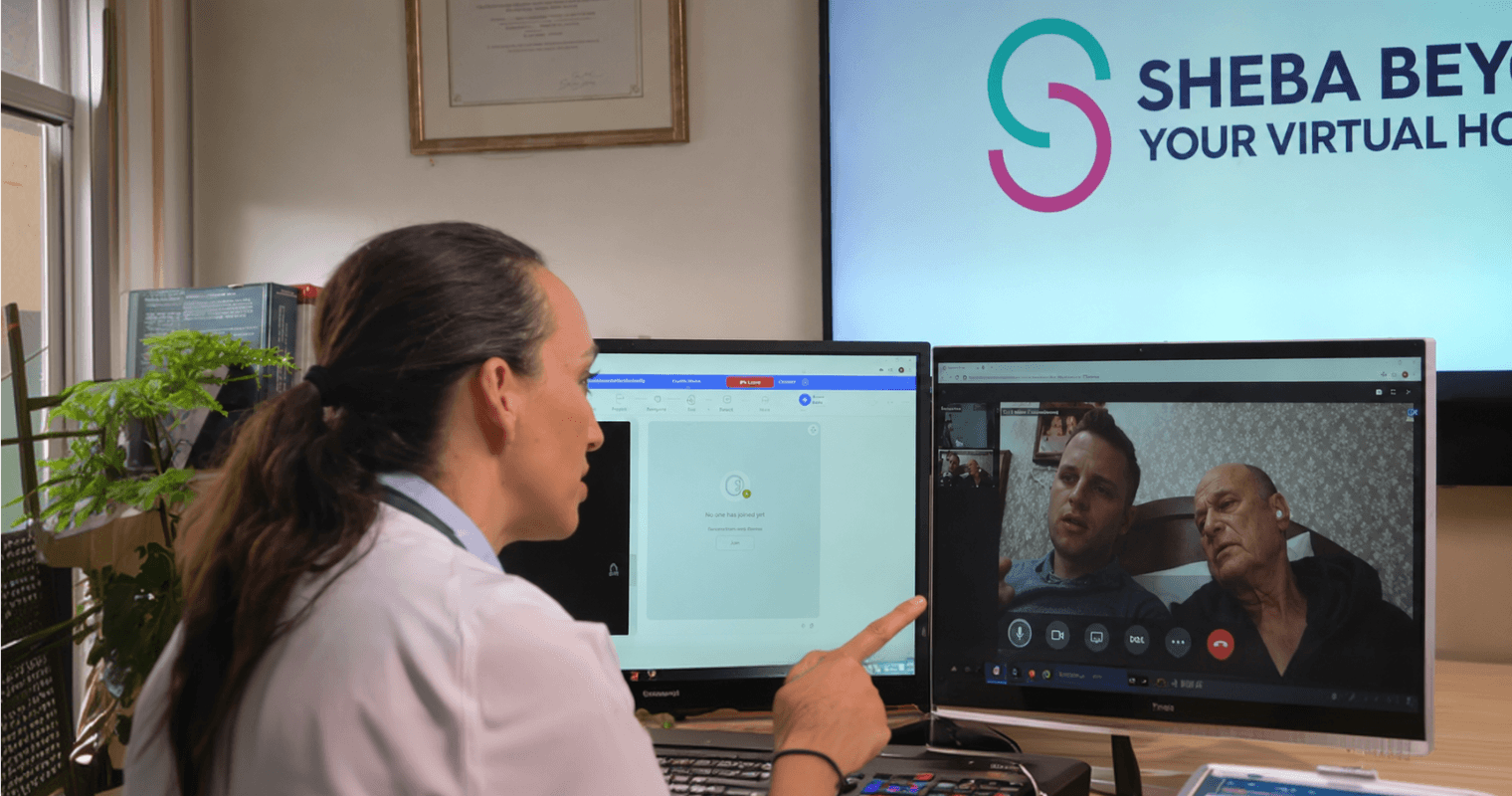
- Beyonder: AI identifying virtual care candidates for Sheba Beyond, Sheba’s virtual hospital
- Operational AI: Predictive bed management and dynamic staffing
“The transformative shift in hospital AI isn’t a single smart tool. We are building multi-agent systems, autonomous agents that plan, act, and collaborate.”

Implementation
The AI Center operates at the intersection of Sheba’s clinical expertise and ARC’s innovation engine, rapidly translating needs into deployed solutions: Clinical workflow: SmartER synthesizes patient history pre-encounter, captures ambient conversations, and generates discharge summaries, freeing physicians from hours of documentation per shift. Operational workflow: Predictive AI forecasts patient flow hours ahead, preventing ER bottlenecks and optimizing bed allocation across 2,000+ beds in real time. Patient flow: Beyonder screens admissions, routing stable patients to Sheba Beyond’s virtual hospital while prioritizing complex cases for in-person care.Prof. Yitshak Kreiss, Sheba’s Director General, stated in an interview with Calcalist:
“AI is no longer just an abstract concept—it’s a force that is actively reshaping healthcare. By embedding AI into the fabric of hospital care, we are ensuring that every patient receives faster, smarter, and more personalized treatment.”
Clinical use case:
SmartER demonstrates impact in live ER shifts:- Pre-synthesizing patient data across records before physician entry
- Ambient listening generates notes during encounters
- Clinicians can focus entirely on direct patient care and human connection, without manual data entry.
The Broader Impact
Sheba’s AI Center delivers systemic transformation:- Clinical efficiency: Hours saved per physician shift through ambient documentation
- Operational optimization: Reduces wait times and optimizes resource use
- Decision superiority: Multimodal AI surfaces insights across siloed data sources
- Scalable model: ARC deployments now active in 31 health systems worldwide
Conclusion
Sheba’s AI Center represents more than technology adoption; it’s the blueprint for tomorrow’s hospital. By combining multi-agent systems, ambient intelligence, and operational AI with clinician leadership and ethical governance, Sheba is creating a scalable model where artificial intelligence amplifies human expertise rather than replacing it. This is part of the greater plan to transform Sheba into a fully AI-based hospital by 2030. Sheba demonstrates how to move from AI pilots to AI infrastructure, building smaller, smarter facilities supported by hybrid care that brings world-class medicine to patients regardless of geography.More Posts

The Chava Center’s Virtual Ward: Hospital-Level Care From the Comfort of Home
At Sheba Psychiatry’s Chava Center Reproductive Psychiatry Unit, headed by Dr. Vered Bar, an innovative virtual-care pathway demonstrates that effective perinatal mental health treatment does not always require a hospital stay.

10 Specialties at Sheba Ranked Among the World’s Best by Newsweek and Statista
Sheba Medical Center has been selected by Newsweek and Statista for their World’s Best Specialized Hospitals ranking, its seventh year receiving this honor, with 10 fields of practice achieving recognition for 2027.

Sheba’s Immersive Approach to Canine-Assisted Mental Health Care
At Sheba Psychiatry within Sheba Medical Center, therapy dogs are not occasional visitors. They are integrated into the clinical environment, working directly with trained care teams to support patients in psychiatric and physical rehabilitation.
