
Sheba Scientists Develop Breakthrough Method for Non-Invasive Brain Drug Delivery
From Physics to Clinical Innovation
For patients with brain tumors, Alzheimer’s disease, Parkinson’s disease, and other neurological conditions, drug delivery remains a major obstacle. Many promising treatments cannot achieve their intended effect if they cannot cross from the bloodstream into the brain. Prof. Mardor, a nuclear physicist by training, was drawn to cancer research after seeing the disease affect her own family. Her work now focuses on opening the blood-brain barrier in a controlled, temporary, and reversible way, creating a short therapeutic window while preserving the brain’s natural protection. This approach may be especially important for larger and more complex therapies, including macromolecules such as antibodies, which are often blocked by the blood-brain barrier.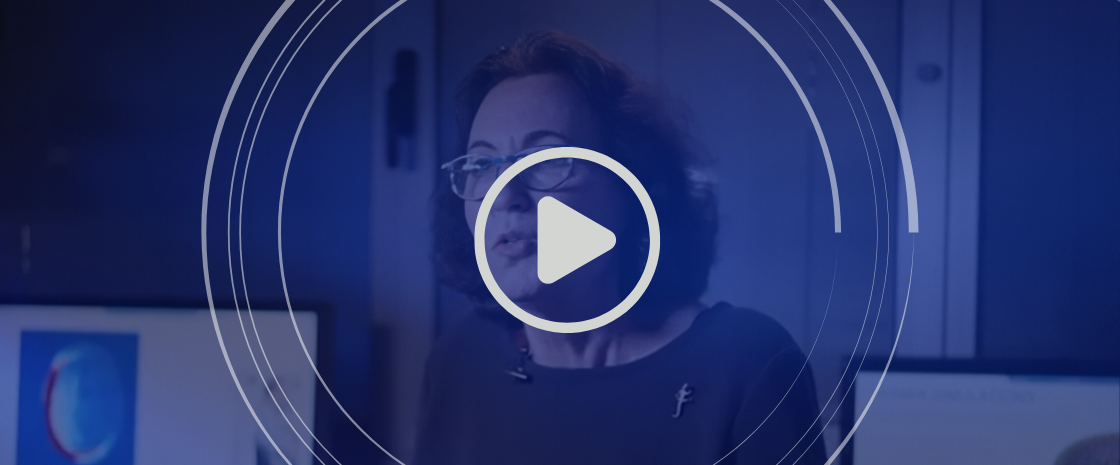
A Controlled Breach in the Barrier
The method uses electrodes attached to the patient’s head. Once the electrodes are in place, pulsed electric fields are applied for approximately two minutes. According to Prof. Mardor, this process opens the blood-brain barrier for about an hour. During that window, drugs in the blood vessels may pass into the brain. The mechanism centers on the endothelial cells that line the brain’s blood vessels. These cells are connected by tight junctions, which normally help keep the barrier intact. When pulsed electric fields are applied, they create a subtle shift in the cells’ cytoskeleton, causing the tight junctions to pull apart temporarily and allowing drugs to move from the blood vessel into the brain.Moving Toward First-In-Patient Treatment
This breakthrough reflects years of research, development, and collaboration by scientists, clinicians, and multidisciplinary teams. Its non-invasive design may offer an important advantage by avoiding surgical intervention while creating a temporary and reversible opening in the barrier: “Now we are at this very exciting point of, you know, treating our first patient and hopefully really passing this barrier for enabling to treat patients with brain diseases,” expressed Prof. Mardor enthusiastically. As Sheba moves toward treating its first patient with this technology, the work reflects the medical center’s broader commitment to turning scientific discovery into clinical care. By addressing one of the most persistent obstacles in brain disease treatment, Prof. Mardor and her team are helping open new possibilities for drug delivery, research, and future treatment strategies for patients whose options have long been limited by the brain’s own defenses.More Posts

Sheba’s Immersive Approach to Canine-Assisted Mental Health Care
At Sheba Psychiatry within Sheba Medical Center, therapy dogs are not occasional visitors. They are integrated into the clinical environment, working directly with trained care teams to support patients in psychiatric and physical rehabilitation.

Sheba Researchers Secure Nearly 50 Million Shekels in Research Grants
Sheba Medical Center’s research teams have been chosen as the recipients of almost 50 million shekels in competitive research grants so far in 2026, spanning the fields of neuroscience, infectious disease, women’s health, nephrology, multiple sclerosis, oncology, and many others.

Transforming Mental Healthcare Through Video-Based Staff Training
Aggressive behavior remains one of the greatest challenges in inpatient child mental healthcare, affecting patients, families, and healthcare professionals alike. Research from Sheba Medical Center, recognized by Newsweek among the World’s Best Hospitals, demonstrates how structured video-based debriefing can transform real clinical encounters into opportunities for continuous learning, helping teams strengthen their confidence, decision-making, and approach to managing aggression.
