
Transforming Mental Healthcare Through Video-Based Staff Training
Aggressive behavior in psychiatric settings is associated with staff injuries, psychological stress, and reduced quality of care. Although aggression-management training has become a standard part of psychiatric practice, most educational programs rely on simulated scenarios that cannot fully capture the complexity of real-life clinical situations.
Within the Edmond and Lily Safra Children’s Hospital, Sheba Psychiatry’s pediatric psychiatry program is the largest and most comprehensive of its kind in Israel, bringing together multidisciplinary expertise, innovation, and compassionate care for children, adolescents, and their families. Research conducted in its pediatric psychiatric inpatient ward explored a different approach to aggression-management training. Published in General Hospital Psychiatry, the study examined whether reviewing actual clinical encounters through structured video-based debriefing (VBD) could improve staff members’ knowledge, confidence, and ease in managing aggression.
Learning From Reality, Not Simulation
The study involved 36 frontline staff members—25 nurses and 11 instructors—who care for children 6 to 12 years of age. Participants completed twelve 90-minute video-based debriefing sessions developed in collaboration with MSR – Israel Center for Medical Simulation at Sheba Medical Center. The educational model was grounded in Kolb’s experiential learning theory, which emphasizes learning through reflection on real experience.
By using real-life footage from video surveillance in the Child Psychiatry Inpatient Ward, participants reviewed actual clinical events, rather than hypothetical cases, making the debriefings directly relevant to their daily work and the challenges they encounter.
Together, they analyzed what happened, identified the triggers that preceded escalation, examined their responses, and discussed which interventions were most effective. Because the discussions were based on real events rather than recollection, the approach reduced recall bias while encouraging honest reflection and shared learning.
To better understand aggressive behavior, researchers categorized it into three domains: pre-violence, which included early warning signs such as impulsivity or behavioral escalation; violence, involving physical aggression toward oneself, others, or property; and general aggression, reflecting ongoing behavioral dysregulation. This framework helped staff distinguish between early risk, acute incidents, and chronic behavioral challenges, allowing interventions to be matched to each situation.

Building Confidence Through Reflection
Three validated questionnaires evaluated effectiveness: a Shame Scale, an Attitude Questionnaire based on previous tools, and a Learning Questionnaire assessing self-perceived knowledge, confidence, and ease in managing aggression across the three aggression domains. Researchers evaluated participants at four points: before training, after the first debriefing session, after completing the program, and again one month later. Across the intervention, staff demonstrated significant improvements in self-reported knowledge, confidence, and ease in managing aggression across all three behavioral domains.
The findings also highlighted differences in how participants benefited from the training. Male staff showed greater improvement in responding to violent episodes, while female staff demonstrated greater gains in recognizing early warning signs of aggression.
Staff who entered the program with higher levels of shame, greater trust in the learning process, and a positive attitude experienced the greatest improvements, suggesting that structured reflection can transform emotionally difficult clinical experiences into opportunities for professional growth and resilience.
Creating a Culture of Continuous Learning
According to the researchers, this is the first study to evaluate the use of real-life surveillance footage as a structured training tool in a psychiatric setting. By allowing multidisciplinary teams to learn from real clinical encounters rather than simulations alone, video-based debriefing reinforces a culture of mutual learning and continuous improvement while helping staff recognize triggers, reflect on clinical decisions, and strengthen communication across the care team.
The authors acknowledge that the study was limited by its relatively small sample size, relied on self-reported outcomes, and did not evaluate long-term clinical outcomes or changes in the frequency of aggressive incidents. Nevertheless, they conclude that video-based debriefing offers an effective approach for ongoing professional development and team learning in managing aggression.
Within Sheba Psychiatry’s pediatric program at the Edmond and Lily Safra Children’s Hospital, this research reflects a broader commitment to using clinical experience, multidisciplinary learning, and innovation to continually strengthen psychiatric care for children and adolescents.
More Posts

A Fifth Year at #1: Sheba Meets Every National Quality Target
The Israeli Ministry of Health has released its latest National Quality Indicators Report, measuring the level of patient care offered at hospitals across the country according to a variety of metrics. For the fifth year running, 2025’s data revealed Sheba Medical Center met or exceeded 100% of the measured targets.
Sheba’s First ARC Healthcare Game Jam
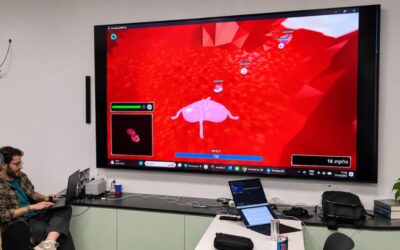
At the first Sheba ARC Healthcare Game Jam, around 100 participants spent thirty hours developing games for patients, caregivers and clinicians. Projects explored challenges ranging from helping children swallow medication to easing hospital anxiety and supporting medical training.

Advancing Fertility Preservation Alongside Cancer Care
In a clinical webinar, Prof. Dror Meirow, Director of the Morris Kahn Fertility Preservation Center at Sheba Medical Center, shared how Sheba integrates fertility preservation into cancer care, assesses ovarian tissue for transplantation and supports patients returning to pursue pregnancy years after treatment.
