
Improving Retinoblastoma Outcomes: The Critical Role of Standardized High-Risk Histopathological Classification
More Posts

A Choice at 18, a Son at 44: How Sheba Restored Kassandra’s Fertility After 23 Years
At 18, before cancer treatment that could affect her fertility, Kassandra had portions of her ovarian tissue frozen, without knowing if medical science would ever advance enough to make parenthood possible for her. More than 23 years later, Prof. Dror Meirow, Director of the Fertility Preservation Center for Cancer Patients at Sheba Medical Center, and his team performed the transplant that eventually led to the birth of Kassandra’s son.

From Pilots to Clinical Practice: The Implementation of AI at Sheba
Sheba Medical Center is expanding the use of artificial intelligence across its departments, with AI systems already in active use in everyday clinical care. Sheba has also begun deploying a platform that gives clinicians access to medical literature and protocols at the point of care, while physicians remain responsible for medical decisions.
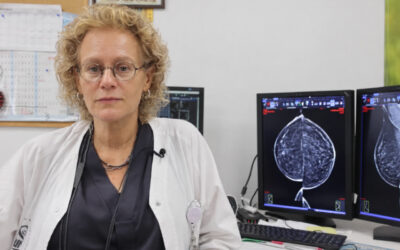
PinkStar & Mount Sinai Partnership to Advance Breast MRI Technology
A medical imaging startup first incubated within Sheba’s innovation ecosystem, PinkStar has entered an agreement with Mount Sinai Health System set to advance breast MRI protocols and support early cancer detection. The partnership marks PinkStar’s first collaboration with a U.S. academic medical institution.
