
Reimagining Pediatric Trauma Care: A Holistic Model for Childhood Trauma Recovery
Sheba Psychiatry’s pediatric psychiatry program based within the Edmond and Lily Safra Children’s Hospital, is the largest and most comprehensive program of its kind in Israel, bringing together multidisciplinary expertise, innovation, and compassionate care tailored to the developmental, family, educational, and social needs of children and adolescents. This structure supports a clinical approach tailored specifically to children, with treatment shaped by developmental stage as well as the family, educational, and social environments surrounding each child.
Traumatic experiences can alter a child’s emotional development, behavior, relationships, and sense of safety. Yet recovery is possible when treatment recognizes that children experience and process trauma differently from adults and responds with developmentally appropriate care.
Recognized by Newsweek among the World’s Best Hospitals, Sheba has developed a comprehensive approach that extends far beyond traditional psychotherapy. Rather than viewing trauma treatment as a single clinical intervention, the program integrates therapeutic care, innovation, research, professional training, and partnerships with schools and community providers to support children throughout their recovery journey.

Evidence-Based Care That Helps Children Rebuild Their Story
Children process traumatic experiences through the lens of their developmental stage, using the developmental tools available to them to make sense of overwhelming events. As a result, trauma may be expressed through behavior, emotions, physical symptoms, or beliefs rather than words. Young children may blame themselves for what happened, while others struggle with anxiety, emotional dysregulation, withdrawal, or confusing memories without fully understanding why.
As a clinical psychologist specializing in childhood trauma, Dr. Naama de la Fontaine helps children gradually rebuild that understanding through evidence-based, developmentally appropriate care. Helping children recover means more than reducing symptoms, it means helping them process traumatic memories through structured, graded therapy and rebuild a coherent life story.
As one of only two certified trauma-focused cognitive behavioral therapy (TF-CBT) trainers in Israel, she has helped advance evidence-based pediatric trauma care at Sheba Psychiatry. Treatment is tailored to each child’s developmental stage and clinical needs, combining TF-CBT with neurofeedback and, when appropriate, creative therapeutic approaches such as art and open studio techniques, creating additional ways for children to express experiences that are often difficult to put into words. Parents remain active partners throughout treatment, helping children make sense of their experiences while strengthening the family relationships that support long-term recovery.
Moving Beyond the Therapy Room
For Dr. de la Fontaine, effective pediatric trauma care begins long before a child enters the clinic. One of the defining principles of her work is that childhood trauma cannot be addressed through individual therapy alone. Children need a coordinated system that identifies them early, supports families, equips educators, and connects healthcare with the community.
Within the pediatric psychiatry program at the Edmond and Lily Safra Children’s Hospital, she has helped advance innovative models that move trauma care beyond traditional clinical settings. One example is an evidence-based screening model that identifies children affected by trauma, and matches intervention to each child’s level of need, shifting care from reactive to proactive.
Dr. de la Fontaine also leads Sheba’s collaboration with the education system through its Trauma-Informed School model, helping train educators to recognize childhood trauma, provide an early, informed response, and connect children with appropriate care. Together with community clinics, remote care services, and multidisciplinary partnerships, this integrated approach creates continuity between healthcare, education, and community support, ensuring children receive the right care while the adults around them are better equipped to recognize and respond to trauma.

Research That Strengthens Clinical Care
For Dr. de la Fontaine, research and clinical practice are inseparable. Her research focuses on childhood trauma, anxiety, parenting, and therapeutic outcomes, while collaborations with Sheba Psychiatry’s Molecular Psychiatry Laboratory connect everyday clinical care with broader research into pediatric psychiatric disorders.
This close integration allows new evidence to move rapidly into clinical practice while ensuring that questions arising in the clinic continue to shape future research. Rather than existing as separate disciplines, research and patient care continually inform one another, strengthening both.
Dr. de la Fontaine also brings an international perspective to her work at Sheba Psychiatry. As an Assistant Clinical Professor at Yale University’s Child Study Center, where she completed both her fellowship and postdoctoral training, she draws on one of the world’s leading centers for childhood trauma research while helping translate that knowledge into clinical practice.
Together, her clinical work, research, and educational initiatives reflect Sheba Psychiatry’s broader vision for pediatric trauma care. By integrating evidence-based treatment, innovative screening, professional training, research, and partnerships with schools and community providers, Sheba Psychiatry’s pediatric program at the Edmond and Lily Safra Children’s Hospital supports children throughout their recovery journey, from early identification to long-term healing.
This integration of specialized psychiatric expertise within a comprehensive pediatric hospital creates a model of care built around the distinct needs of children and adolescents, while offering a framework that can inform pediatric trauma care beyond Sheba.
More Posts
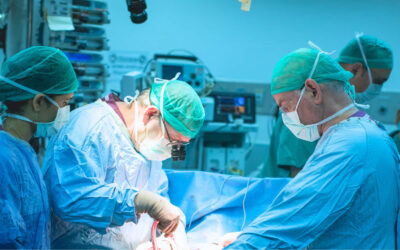
A Fifth Year at #1: Sheba Meets Every National Quality Target
The Israeli Ministry of Health has released its latest National Quality Indicators Report, measuring the level of patient care offered at hospitals across the country according to a variety of metrics. For the fifth year running, 2025’s data revealed Sheba Medical Center met or exceeded 100% of the measured targets.
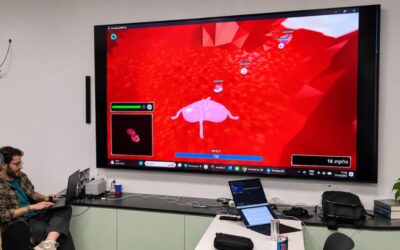
Sheba’s First ARC Healthcare Game Jam
At the first Sheba ARC Healthcare Game Jam, around 100 participants spent thirty hours developing games for patients, caregivers and clinicians. Projects explored challenges ranging from helping children swallow medication to easing hospital anxiety and supporting medical training.
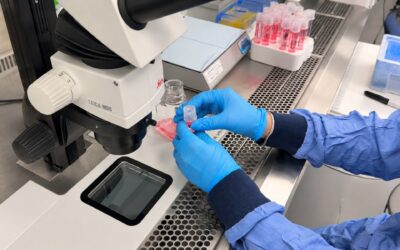
Advancing Fertility Preservation Alongside Cancer Care
In a clinical webinar, Prof. Dror Meirow, Director of the Morris Kahn Fertility Preservation Center at Sheba Medical Center, shared how Sheba integrates fertility preservation into cancer care, assesses ovarian tissue for transplantation and supports patients returning to pursue pregnancy years after treatment.
